Green Again

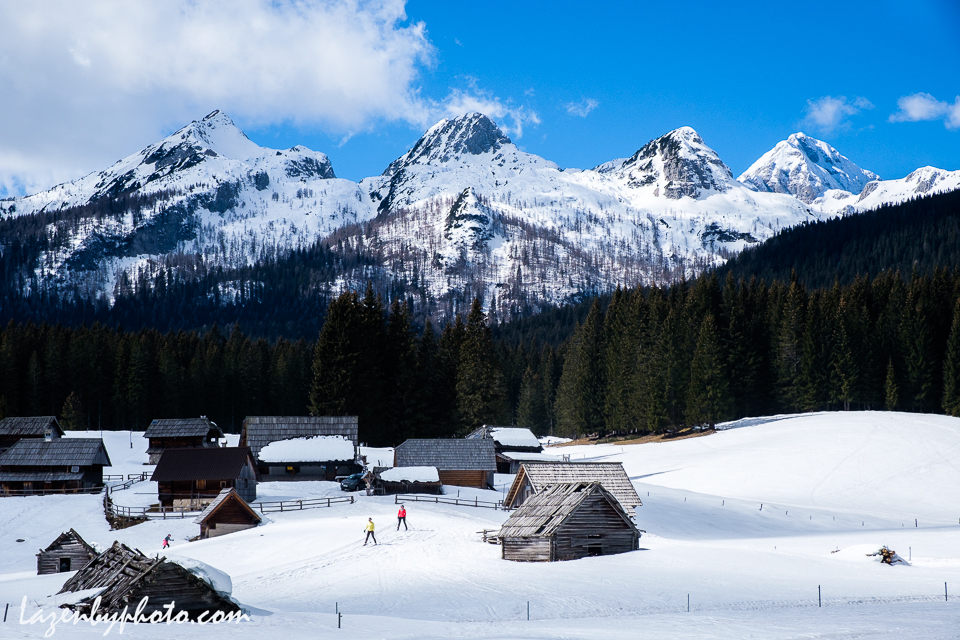
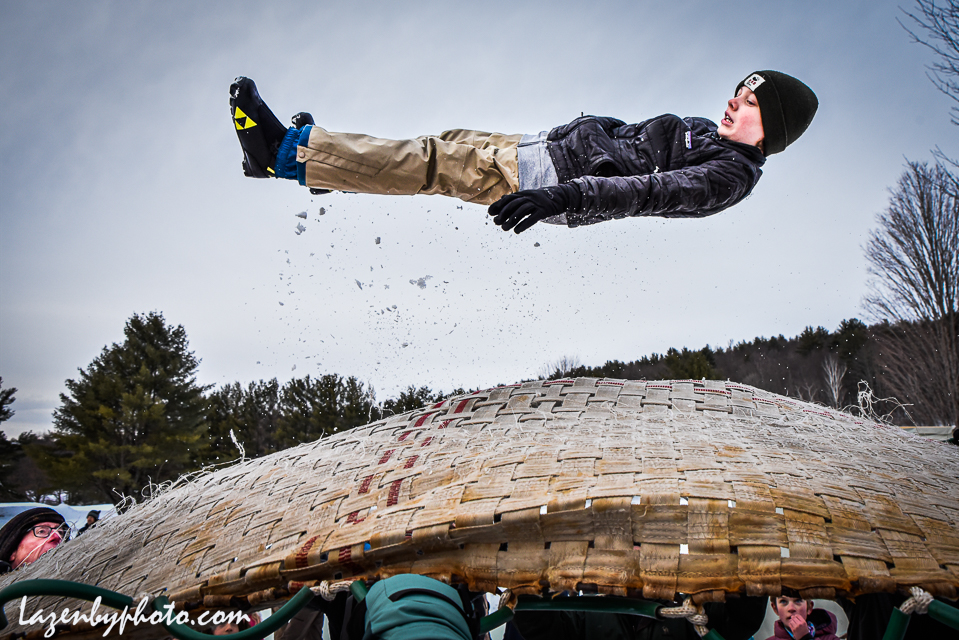
Spring always creeps slowly into the winter-brown Vermont hills and then explodes. This, the other foliage season, a riot of green, seems to arrive in the space of three days. And in the space of two weeks we go from skiing (bottom photo, Mt. Mansfield on April 22nd), to plowing (top, East Montpelier), to bicycling, paddling and mowing the lawn. Summer’s so short it’s a good thing that when spring finally gets here it pounces.


Posted in farming, kayaking, mountain biking, mountains, rivers, roads, Skiing, Snow, Spring, Vermont, water

Natchez Trace Parkway

The Natchez Trace Parkway covers a slice of the South rich in history and beauty, especially in the spring. You get a pretty good look at things if you ride your bike most of the 450-mile distance from Natchez, Mississippi, to Nashville, Tennessee, as we did from late March into the first week of April. You pedal the gamut, from the stark images and prose of the Medgar Evers memorial at the Jackson airport to blossoms around the antebellum mansions in Natchez, the blooming redbuds along the parkway, and the tourist-filled honky-tonks on South Broadway in Nashville. A few pictures from the trip: top, the typical road surface and traffic on the parkway; below, an early morning run in French Camp, MS, a stone’s throw from the parkway; a National Park Service employee at Mount Locust, MS, dressing the part of one of the “Kaintucks” who floated down the Mississippi on flatboats and then walked back home on the Natchez Trace in the early 1800s; mist in Pegram, TN.; the breakfast shift at French Camp Academy in Mississippi; and the Silver Threads hit it at Robert’s Western World in Nashville. (That’s a fairly lifelike effigy of the great country singer Marty Robbins beaming down from the rafters in the top left corner.) Click here for a Natchez Trace gallery. Click here for information about the parkway. 

Posted in Alabama, Bicycling, Mississippi, South, Tennessee

Still Adamant

First day of Spring, Adamant, VT.

Posted in Snow, Spring, Weather, Winter

Snowy Sony RX 100

The picture above and all the snow pictures below were taken with a Sony RX100 in falling snow. Scroll down to see the others.

I don’t do equipment reviews, and this certainly isn’t one. But I borrowed a Sony RX100 a while back. It’s an interesting little camera. David Pogue of The New York Times calls it, in his inimitable fashion,  “… the best pocket camera ever made.”  Camera geeks and reviewers can be a contentious bunch, but most seem to agree on one thing: Because most people have cellphones with semi-decent cameras built-in, sales in the basic point-and-shoot camera market are waning. So camera companies are concentrating on what’s called the “enthusiast”  market. This means small cameras with a number of features point-and-shoots and cellphones don’t bother with: bigger sensors (which mean far better image detail); faster lenses, manual controls, RAW capability and more.

The Sony RX100, above, fits into that segment of the market and at least for now seems to be leading in the pocket camera slice of it. There are small cameras with bigger sensors, but they aren’t really pocket cameras. Basically, you can think of the RX100 as a Canon S100 with a much bigger sensor. The image below, which like the one above is from DPReview’s first look at the RX100, shows the relative sensor sizes of some cameras, and you can see where the Sony fits in.

One stumbling block for a lot of us: no optical or electronic viewfinder, just the rear LCD screen. I used the camera on a snowy, squally day a few weeks ago and thought it performed well. However, between the falling snow and the overall outdoor brightness, I could see almost nothing in the LCD when I was trying to compose pictures. I really just had to point, shoot and hope for the best. So, despite the 1.8 Zeiss zoom lens and a host of other great features, it’s not a camera for me. But it seems like every week new small cameras with large sensors come out. Nikon unveiled one last week and Fuji has a series of them using APS-C sensors, which are as large as those on most entry level DSLRs.

One thing: Enthusiast is really spelled “enthu$ia$t.” All of the cameras for this market are relatively expensive. The RX100 goes for about $650 and the Fujis start around $1,000. But the camera companies keep introducing new ones, so there’s always the possibility that this season’s models will eventually be cheaper, if there are any left when the newest small-camera/big-sensor model comes out. Sony’s small-camera line culminates with the RX1, a little camera with a full-format sensor, the same size as top-of-the-line professional DSLRs use. It costs about $2,800. But that’s another story.

Posted in cameras, Snow, Vermont, Weather, Winter

Snow, Wind, Etc.

Just another February day in East Montpelier, although it changed from a sunny, windy one whipping the snow off the barn below to the quiet, overcast scene above in about 30 minutes. Next up: Using a Sony RX100 in a snowstorm.


Posted in agriculture, black & white, farming, Snow, Travel, Vermont, Weather, Winter

Plainfield Flower Farm

It was 20 below zero here this morning so, to warm you up, here’s a look at the Plainfield, VT, Flower Farm last spring. Bram Towbin and Erica Da Costa have an acre of peonies and about 50 acres of lilacs and snowball viburnum, grown for the cut-flower market. From their hillside in Plainfield their budding flowers travel to urban flower markets around the Northeast. They are picked before they bloom so that they open after they reach their destinations. It’s hard work, art and science to grow them and pick them at just the right time. I worked on a photo story about the farm from the time the lilacs leafed out and the peonies poked through the ground until harvest. Thanks again to Bram and everyone for helping me. More pictures below, and a gallery is here.  

Link to gallery.

Posted in agriculture, Colors, farming, Vermont

La Coupe du Monde, Quebec

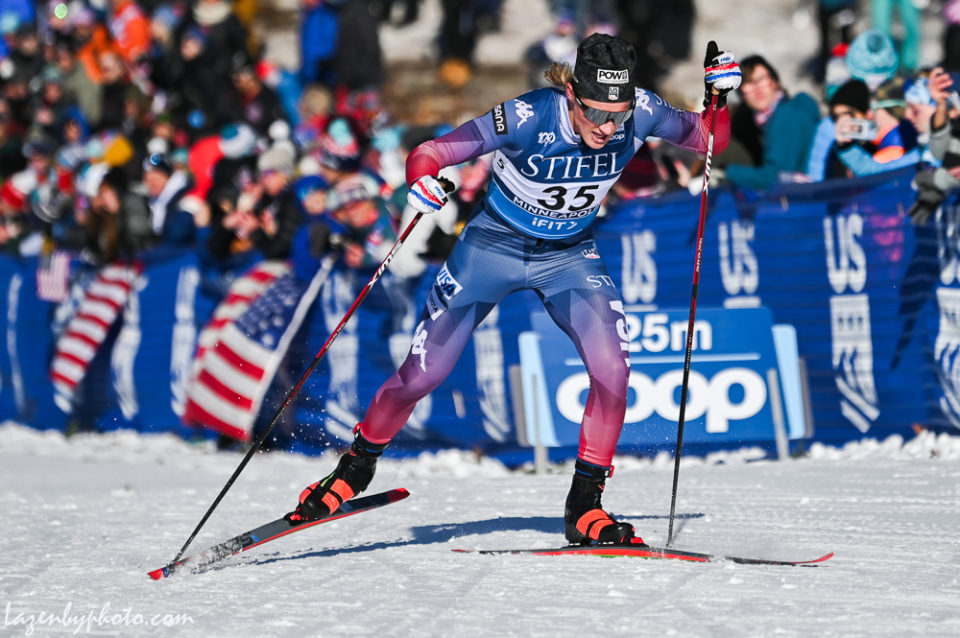
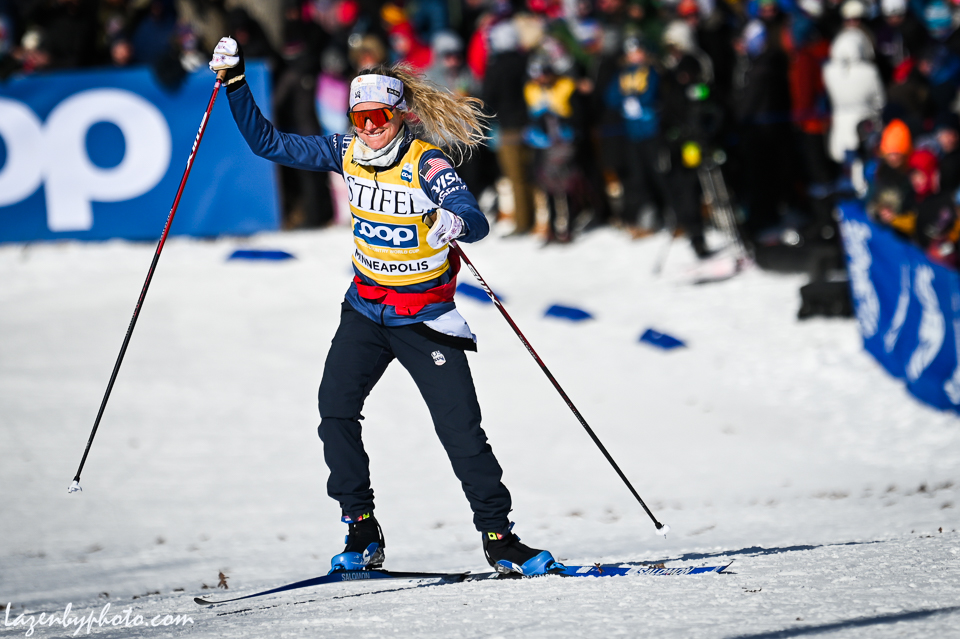
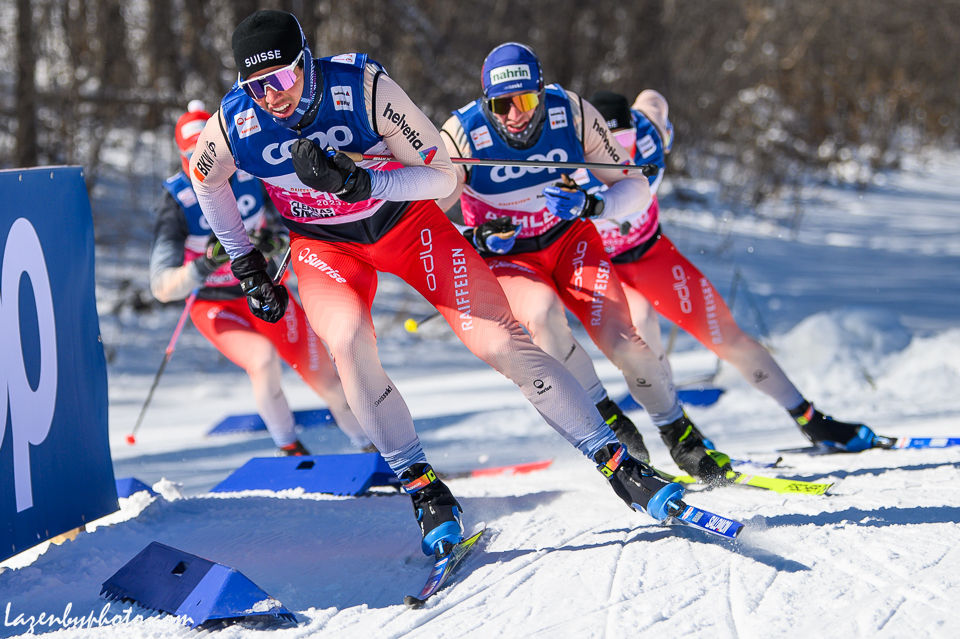
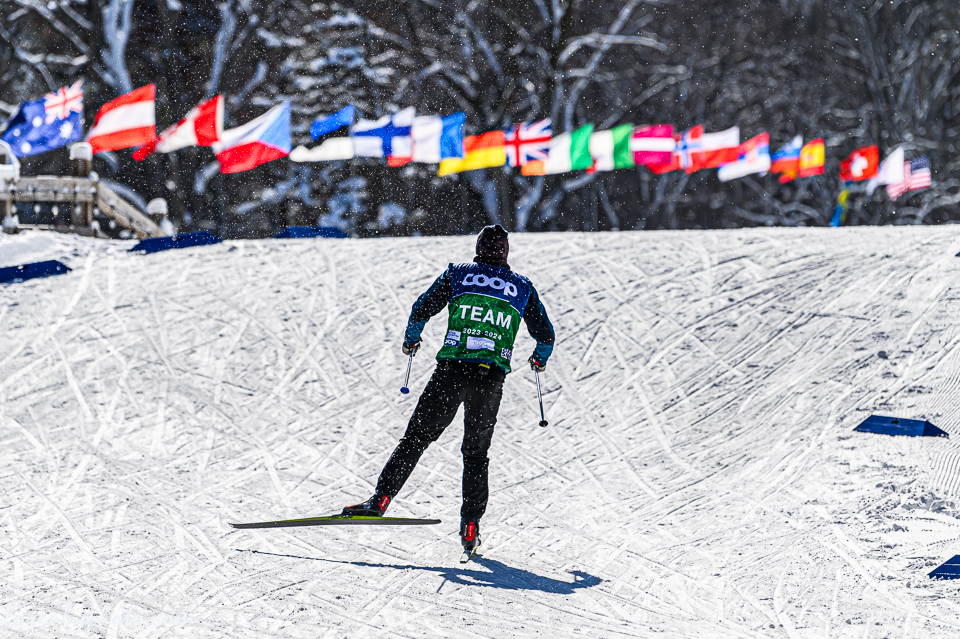
Nordic skiing World Cup races are rarely held outside of Europe’s skiing nations, where almost every winter weekend they are watched by the kind crowds North America can only manage to turn out for events like professional football. But last weekend the World Cup sprints came to an 800-meter hairpin-turn course of manmade snow in front of the provincial parliament building in Quebec City. Americans and Canadians from across the continent, especially from northern New England, Ontario and Quebec, showed up to cheer for the teams and skiers they never get to see — not just the North Americans but a total of 150 skiers from 15 nations, from Russia, Sweden and Finland to Australia. American Kikkan Randall (Alaska), top two photos, in black, combined with teammate Jessie Diggins (Minnesota), photos below, with her game face on before the individual race and taking one of the many corners, to win the team sprint event Friday, a first for the US. In that same cornering picture, in the third black suit in the pack, is Barton and Craftsbury Vermont’s Ida Sargent.

Quebec’s local hero Alex Harvey, third photo below, leading the pack, and Devon Kershaw (Ontario), had the potential to win the team sprint, but failed after Harvey got tangled up with another skier on the tight course. Randall won the individual sprint on Saturday. Scroll down for more, including the tiny helicopter/camera drone that swooped over the course.  You can watch the men’s and women’s team sprints from Quebec here. Link to some of the mini-copter footage is here.

By the way, there was not a flake of natural snow in Quebec until it snowed lightly on Saturday. Organizers hauled in an estimated 20,000 cubic meters of manmade snow to build the race course. Racers glided next to the city’s ancient stone walls and each heat started below the Porte St. Louis, built in the 1600s and rebuilt in the nineteenth century, and then followed the Grand Allée — the main street — for the first 100 yards.


Posted in Canada, cross-country skiing, exercise, Skiing, Snow, Winter

Morning, North Branch

Posted in Autumn, Colors, Stick Season, Vermont, Weather

Stick Season, High & Low

When the fall leaves hit the ground, it’s Stick Season. The reason for the name is obvious but the attractions of this sixth Vermont season aren’t. It can mean raw, gray days with rain and sleet. But it can also be beautiful, as it has been for the past two days, with temperatures in the 60s. At its best, the lowering sun streams through the leafless woods and strobes through the trees as you drive along. People are scrambling to get their fall outdoor work done, but it can still be incredibly quiet and calm, as we wait in that spot between autumn and winter for the seasons to change. Above, Waterbury Reservoir; below, Worcester Mountain.


Posted in exercise, kayaking, mountains, Stick Season, Travel, Vermont, water

Biking Croatia’s Dalmatian Islands

Two generations and a Croatian flag in the town of Stari Grad on the island of Hvar in Croatia’s Dalmatian islands. I had the good fortune last week to be traveling there with a Vermont Bicycle Tours group. Tourism in Croatia, on the rise in the 1980s, evaporated with war in the 1990s, but it is booming now. It’s no wonder: the clear, blue water of the Adriatic, a sunny and mild climate (even in September), stunning scenery and cityscapes, architecture that dates to the Roman Empire and earlier, fascinating Mediterranean culture and cuisine and people who are for the most part very friendly, despite the turmoil of the past 20 years. I met these two after following a man hauling grapes in a motorized cart through the narrow cobblestone streets and into his konoba (wine cellar). Below: a view typical of the islands — Pucisca on the island of Brac; a resident of the Brac hilltop town of Skrip, from which the limestone to make Roman Emperor Diocletian’s palace in Split was quarried; VBT cyclists in action; and building with stone on Brac. Limestone  is everywhere — there’s far more stone than soil —and everywhere it’s in use, from pathways to walls, terraces, roofs, tiles and virtually every building. Vineyards and olive trees are everywhere too. Lesson learned: It’s not a good idea to eat an olive directly off a tree. Click here for a gallery from the trip.

Posted in Bicycling, Croatia, Europe, exercise, farming, roads, Travel